When I step on stage as a keynote speaker, my goal isn’t just to motivate people; it’s to move them. Literally and figuratively.
Sure, most keynote speakers aim to inspire reflection, and that’s important. But I want my audiences to experience something — to feel it in their bodies. Because what we feel, we remember. And what we experience, we’re far more likely to apply.
That’s why my talks are interactive and grounded in improv and emotional intelligence. I build in moments of laughter, validation, and collaboration. In improv, we live by the “Yes, And” philosophy:
I hear you. I validate your idea. And together, we build on it.
That small mindset shift, from agreement to collaboration, is the foundation of trust and creativity.
The Delegation Dance: A Social Experiment in Motion
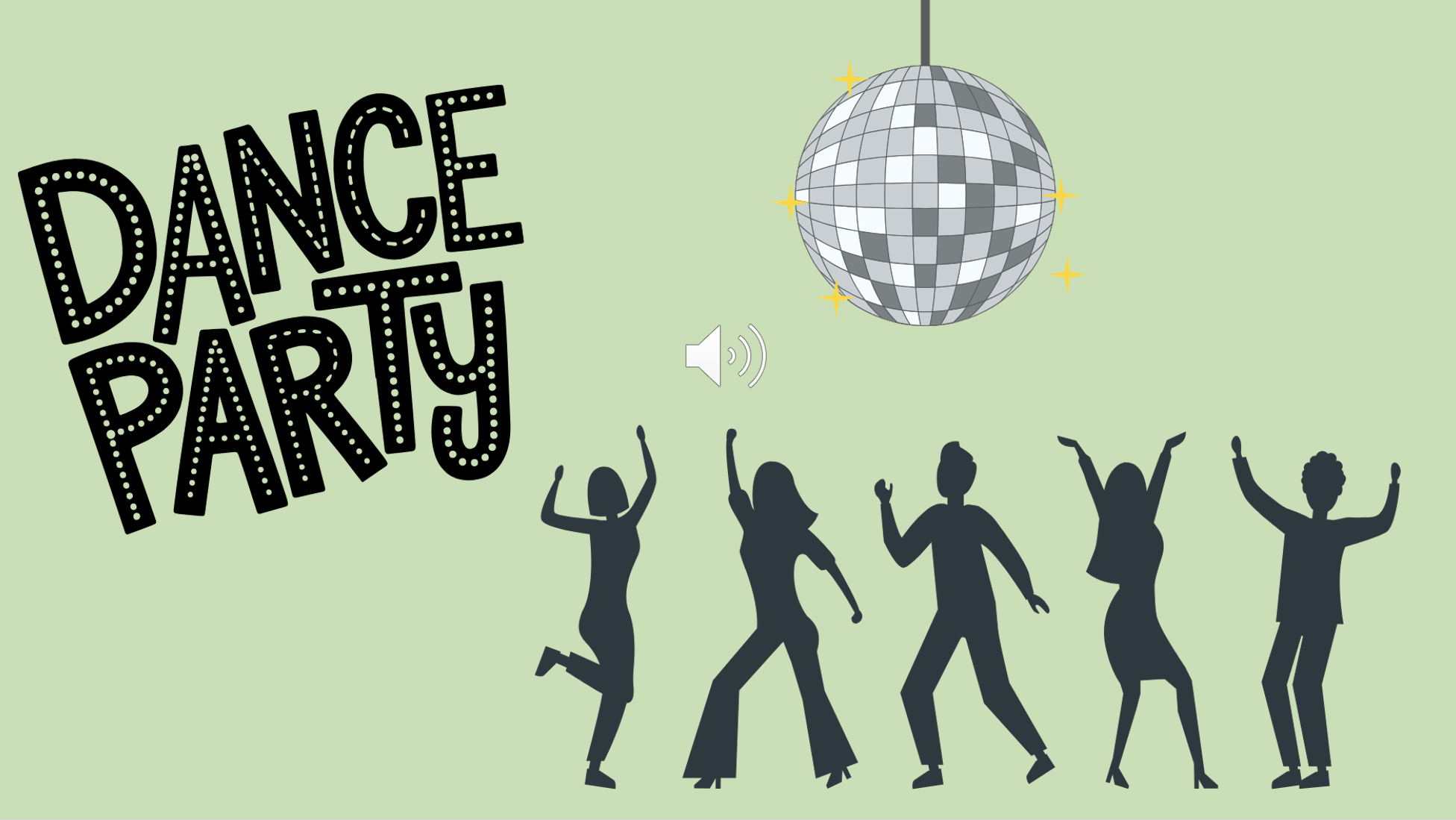
One of my favorite ways to open a keynote is with what I call the Delegation Dance. It starts simply: I pick one or two brave volunteers to dance. Their job is to then select others to join them, and those people choose others, until the whole room is dancing.
What happens next is magic. Within 30 seconds, the room transforms. Laughter ripples. People loosen up. The energy skyrockets.
But beneath the fun is a serious lesson in psychology. This exercise reveals a great deal about how humans respond to social pressure, leadership, and uncertainty.
According to social psychologist Dr. Robert Cialdini, humans are wired for social proof, meaning we look to others to decide how to act in unfamiliar situations. When one person gets up and dances, others think, “If they can do it, maybe I can too.” That’s how culture spreads, through modeled behavior.
The Conga Line Surprise
I’ve been leading this exercise for over 15 years, and it’s never the same twice.
Recently, at a women’s leadership conference, something extraordinary happened. About 100 attendees, mostly women and a few men, were in the room. I almost skipped the dance party that day because another speaker earlier had included dancing in her session. I didn’t want to look repetitive.
But the client said, “No, Gina. Do it. They’ll love it.”
So, I trusted my gut and tweaked the format a bit.
The music started. The first dancers stepped forward. And then it happened. The energy caught fire. Instead of winding down after 30 seconds (as I’d planned), they just kept going. For three full minutes. They formed a conga line that went around tables, through aisles, and up to the stage. One woman even joined me onstage to dance. I stood there, joyfully shocked. In fifteen years of doing this exercise, I’d never seen anything like it. Usually, I have to coax people to move. This time, I couldn’t stop them.
What started as a small invitation to move became a tidal wave of collective joy.
What the Conga Line Teaches Us About Culture
That moment was more than fun. It was a living metaphor for psychological safety.
When people feel safe, when they sense they won’t be judged, embarrassed, or excluded, they take risks. They participate. They create. Research from Google’s Project Aristotle found that psychological safety is the number-one predictor of team success. Not talent. Not intelligence. Safety.
That room of 100 people didn’t all love dancing. Some were probably mortified. But together, they created a culture where even discomfort was embraced. And by the time I began my keynote, the energy was cohesive. They leaned in, open and connected, ready to learn.
It wasn’t about the music. It was about trust.
The Takeaway: Movement Creates Momentum
Whether in a conference room or a boardroom, culture spreads one brave choice at a time. Someone has to start the dance. Someone else has to say “yes.” And suddenly, a team, an audience, a company is moving together.
So next time you lead a meeting, teach a class, or walk into a room full of strangers, think about your delegation dance.
Who will you choose to move first?
Because when one person takes a chance, everyone else learns that it’s safe to follow. And that’s how leaders create conga lines of courage.