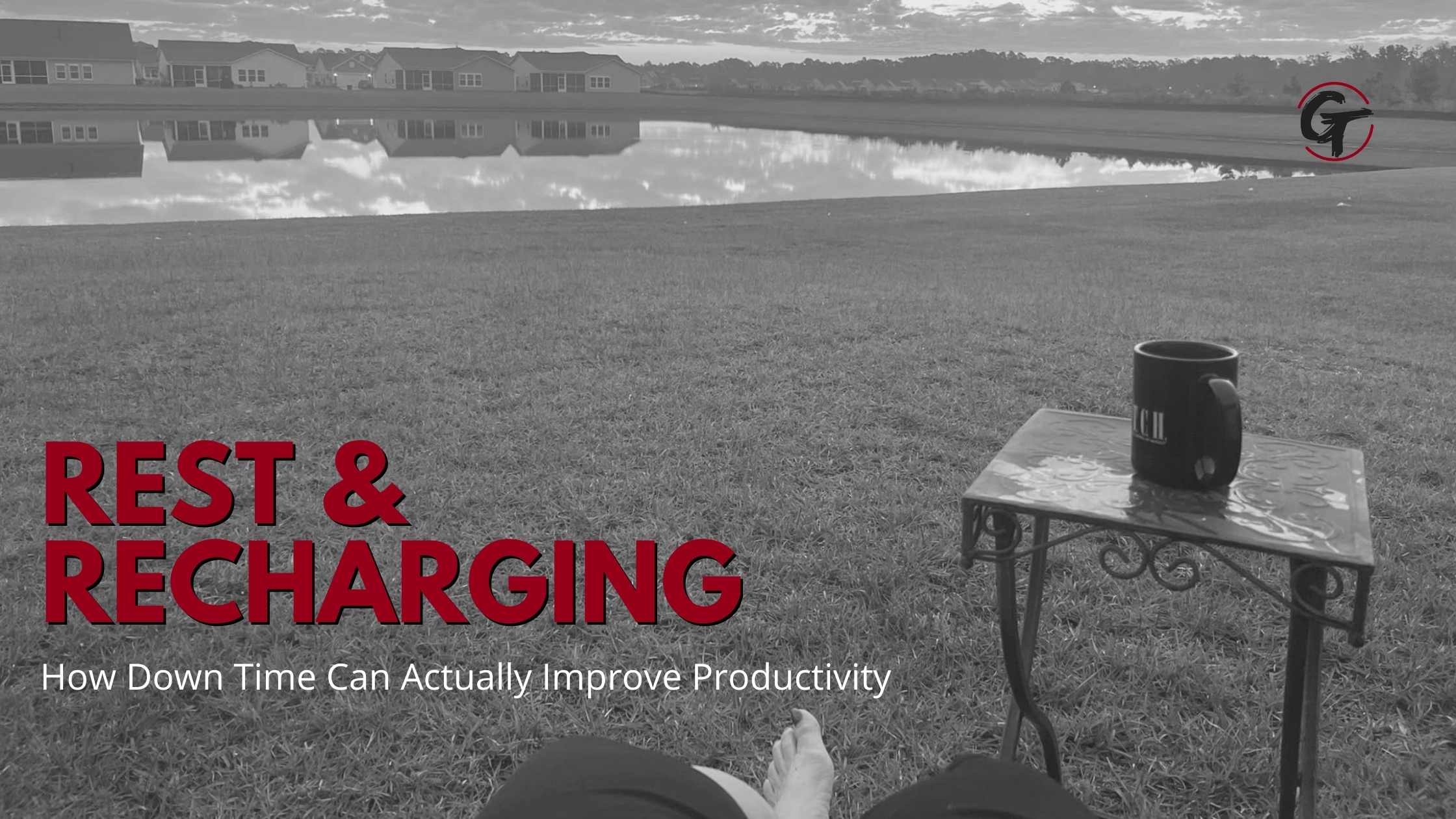

The first week back after a long holiday is one of the most fragile weeks in the professional year. Energy is low, expectations are high, and the gap between the two can create unnecessary stress and guilt. Instead of trying to snap back to full speed, this is the perfect moment to design a more sustainable way of working for the year ahead.
Why the First Week Back From Vacation Feels So Hard
Feeling foggy, unmotivated, or overwhelmed in your first few days back is a normal response to the abrupt shift from rest to demand. The trouble starts when high performers interpret this natural adjustment as “I’ve lost my edge” or “I’m falling behind,” which triggers compensatory behaviors, such as working longer hours, saying yes to everything, pushing through exhaustion, and sets an unsustainable tone for the entire year.
What matters is not how quickly you can suppress the desire to be back on the beach (or on the couch in your pajamas all day). What matters is how intentionally you translate the benefits of your time away into how you work now. Here’s how to do that:
Strategy 1: Create a Re-Entry Buffer
Think of your first 48–72 hours back as a “re-entry buffer.” During this time, your job is not to do everything. Your job is to:
- Get clear on what matters now
- Understand what changed while you were away
- Commit to a realistic plan for the next two weeks
Practically, this means blocking time on your calendar specifically for catch-up and planning. Limit meetings on day one or two, where possible. If you lead a team, communicate this intention in advance: “I’ll be working on re-entry planning Monday and Tuesday. I’ll be more available starting Wednesday.” Most people will respect this boundary because they wish they had the courage to set it themselves.
Treat these first days as a transition sprint focused on clarity, not completion.
Strategy 2: Triage Instead of Reacting
Before answering a single email, scan and sort. Use a simple triage system:
- Urgent: Truly cannot wait
- Important: Matters, but has breathing room
- Defer: Can wait until later this month
- Delegate: Someone else can handle this
The goal is to avoid letting the loudest items dictate your week. Then, deliberately schedule time blocks for each category. Block focus time daily for your most meaningful work, such as the projects that actually move your goals forward.
This kind of front-loaded clarity prevents the “I worked all day and accomplished nothing that mattered” feeling that plagues so many professionals in early January.
Strategy 3: Rebuild Routines, Not Just Tasks
Your vacation gave you more than rest; it gave you data about what made you feel good during your time off. Maybe you went for morning walks, read before bed, or ate lunch away from a screen. Choose one or two of those “vacation habits” and intentionally bring them into your work life.
The first week back is your window to re-establish sleep, movement, and focus rituals before the momentum of busyness takes over. Focus on consistency over intensity. A 10-minute morning routine you do every day will serve you better than an elaborate system you abandon by February.
When you protect your energy, your performance follows naturally.
Design Your Re-Entry on Purpose
You do not need to earn your place by overworking in January. You need to build a rhythm you can sustain for the rest of the year.
This week, design your re-entry with intention. Normalize the adjustment period. Create space for clarity before action. Protect the routines that protect your energy.
Your future self, the one who’s still engaged and effective in November, will thank you.
One more thing: These strategies work even better when you apply them before you leave. In the days leading up to your next vacation, block your re-entry buffer on your calendar, set up your triage system, and identify which routines you want to protect when you return. That small act of pre-planning transforms your return from reactive scrambling into intentional design. The professionals who do this consistently report feeling less dread about coming back and more confidence that rest and performance can coexist.
If you’re an overthinker about how to prioritize your workload, explore my new book, The New Choice Effect. It’s perfect for leaders, executives, and high achievers.